Design should begin with the user's perceptual journey, not with visual assets. We first map out the narrative logic of the scene and pin down the audience's visual focus, behavioral rhythm, and sensory tolerance thresholds. We then use these to drive the simultaneous design of 3D content, lighting choreography, and interaction trigger rules. Flashy lighting that ignores human factors engineering only causes information overload, dilutes the narrative thread, and can even trigger visual fatigue and sensory discomfort.
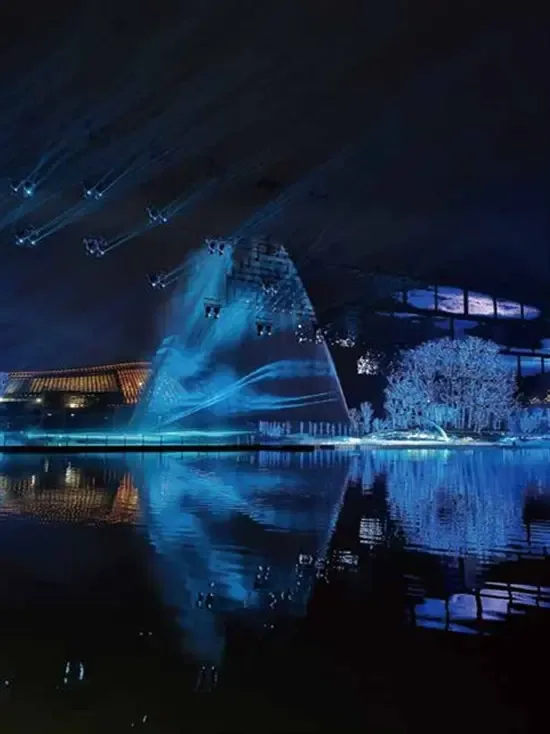
The 5D holographic mobile system places strict demands on real-time rendering. Device compute power, network transmission latency, and projector synchronization accuracy all directly determine whether interactions run smoothly. Interaction logic cannot be designed in isolation from hardware limits. Every trigger, scene transition, and effect overlay must be stress-tested in advance to ensure no screen tearing and no command lag under multi-device coordination.
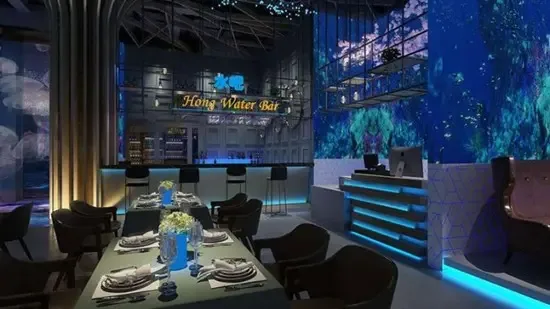
Interaction is not an add-on feature—it is an extension of the narrative itself. Audience gestures, point-based triggers, and changes in movement paths should all blend naturally into the storyline, making users participants in the narrative rather than passive spectators watching a screen. Visuals, sound effects, lighting, and haptic feedback echo one another, and every visual element serves information delivery—no gratuitous effect overlays.
This design approach also applies to immersive restaurants, cultural tourism night tours, water curtain light shows, and similar scenarios. Whether a fixed exhibition hall or a rapidly deployable mobile holographic system, the core is always balancing content expression, human perception, and hardware performance—letting multimedia effects serve the narrative and using restrained, orderly sensory expression to deliver clear, complete information and truly achieve an immersive experience.